Istanbul Property Prices by District: August 2025 Market Report
Istanbul property prices continued to rise sharply in 2025, with district-level data showing annual increases of around 20–50% across the city. Prime districts such as Beşiktaş, Sarıyer, Kadıköy and Beykoz remain the most expensive areas, while mid-tier and renewal-led districts such as Kağıthane, Zeytinburnu, Küçükçekmece and Eyüpsultan offer stronger rental yields and shorter amortisation periods.
Market data note
This report uses district-level Istanbul property data from August 2025. Prices, rental yields and amortisation periods may change as exchange rates, interest rates and local demand shift.
Key Istanbul property market takeaways
- Beşiktaş, Sarıyer, Kadıköy and Beykoz remain Istanbul’s highest-value districts.
- Mid-tier districts offer stronger rental yields and shorter amortisation periods.
- Urban renewal supports prices in Kağıthane, Zeytinburnu and Küçükçekmece.
- Asian-side districts such as Kadıköy, Üsküdar, Maltepe and Pendik show strong annual growth.
- Expected rate cuts in 2026 could support renewed buyer demand.
Istanbul Property Prices by District: August 2025
The table below compares average price per square metre, average property value, amortisation period, gross yield and annual price change across Istanbul districts. Click the column headers to sort the table.
| District | Avg. Price (₺/m²) | Avg. Property (₺) | Amortisation | Yield | YoY Change |
|---|---|---|---|---|---|
| Adalar | 89,767 | 10,951,574 | — | — | 32.15% |
| Bakırköy | 103,383 | 14,577,003 | 19 yr | 5.28% | 33.15% |
| Beşiktaş | 144,919 | 18,984,389 | 24 yr | 4.17% | 40.24% |
| Beykoz | 110,316 | 20,298,144 | 29 yr | 3.41% | 27.42% |
| Beyoğlu | 64,712 | 6,082,928 | 13 yr | 7.50% | 18.17% |
| Çatalca | 47,604 | 6,474,144 | 16 yr | 6.23% | 35.54% |
| Eyüpsultan | 59,427 | 6,061,554 | 14 yr | 7.33% | 30.65% |
| Fatih | 38,907 | 3,501,630 | 12 yr | 8.14% | 24.35% |
| Gaziosmanpaşa | 39,506 | 4,069,118 | 13 yr | 7.76% | 22.06% |
| Kadıköy | 137,576 | 17,197,000 | 22 yr | 4.61% | 48.95% |
| Kartal | 62,240 | 6,908,640 | 15 yr | 6.61% | 41.66% |
| Sarıyer | 139,079 | 20,583,692 | 24 yr | 4.23% | 20.55% |
| Silivri | 38,184 | 5,154,840 | 14 yr | 6.91% | 34.47% |
| Şile | 79,170 | 14,171,430 | 18 yr | 5.46% | 31.87% |
| Şişli | 68,430 | 6,979,860 | 15 yr | 6.73% | 32.61% |
| Üsküdar | 83,893 | 9,899,374 | 19 yr | 5.19% | 44.02% |
| Zeytinburnu | 62,192 | 6,530,160 | 12 yr | 8.18% | 43.65% |
| Büyükçekmece | 46,879 | 6,938,092 | 16 yr | 6.42% | 32.41% |
| Kağıthane | 55,290 | 4,976,100 | 13 yr | 7.44% | 30.26% |
| Küçükçekmece | 44,634 | 4,463,400 | 12 yr | 8.53% | 30.19% |
| Pendik | 50,745 | 5,581,950 | 14 yr | 6.90% | 44.25% |
| Ümraniye | 59,749 | 5,974,900 | 15 yr | 6.68% | 42.39% |
| Bayrampaşa | 46,546 | 4,701,146 | 14 yr | 6.99% | 31.14% |
| Avcılar | 38,572 | 4,435,780 | 13 yr | 7.46% | 24.39% |
| Bağcılar | 40,939 | 4,503,290 | 14 yr | 7.32% | 28.45% |
| Bahçelievler | 42,126 | 4,423,230 | 13 yr | 7.90% | 39.49% |
| Güngören | 36,270 | 3,808,350 | 12 yr | 8.48% | 31.14% |
| Maltepe | 71,792 | 7,179,200 | 16 yr | 6.26% | 48.16% |
| Sultanbeyli | 42,922 | 4,678,498 | 16 yr | 6.22% | 43.62% |
| Tuzla | 52,858 | 5,814,380 | 15 yr | 6.88% | 40.99% |
| Esenler | 37,904 | 3,790,400 | 15 yr | 6.52% | 20.91% |
| Arnavutköy | 35,726 | 3,929,860 | 14 yr | 6.98% | 30.01% |
| Ataşehir | 68,565 | 7,542,150 | 14 yr | 7.14% | 39.62% |
| Başakşehir | 58,090 | 7,377,430 | 16 yr | 6.44% | 35.98% |
| Beylikdüzü | 37,831 | 5,069,354 | 13 yr | 7.86% | 35.55% |
| Çekmeköy | 53,798 | 5,971,578 | 14 yr | 7.24% | 37.92% |
| Esenyurt | 26,081 | 2,868,910 | 11 yr | 8.96% | 31.03% |
| Sancaktepe | 44,273 | 4,870,030 | 14 yr | 6.99% | 42.83% |
| Sultangazi | 34,537 | 3,660,922 | 14 yr | 7.37% | 29.02% |
Source: Endeksa.com
Most Expensive Districts in Istanbul
Beşiktaş leads the market at 144,919 ₺/m², with an average property value close to 19M ₺. Yields remain relatively modest at around 4.17%, with a 24-year amortisation period. Demand is supported by Bosphorus views, nightlife, Akaretler, universities and prime central positioning.
Kadıköy posted one of the strongest annual increases, rising 48.95% year on year to 137,576 ₺/m². Despite dense urban renewal, it remains one of Istanbul’s most desirable Asian-side districts thanks to Moda, Bağdat Avenue, Marmaray and M4 Metro access.
Sarıyer and Beykoz remain lifestyle-driven luxury markets, attracting high-net-worth families seeking Bosphorus proximity, villa districts, green surroundings and prestige. However, yields are comparatively limited because purchase prices are extremely high.
Best Istanbul Districts for Rental Yield and Urban Renewal
Şişli averages 68,430 ₺/m², with a 6.73% yield and 15-year amortisation. Its office towers, hospitals, shopping centres and proximity to Levent keep demand strong, particularly for professionals and city-centre tenants.
Kağıthane remains one of Istanbul’s most important renewal-led investment districts. Average prices sit at 55,290 ₺/m², while yields reach 7.44%. Regeneration around Cendere Valley, Vadi İstanbul and new transport links continues to support buyer demand.
Zeytinburnu combines a 12-year amortisation period with 8.18% yields, making it one of the strongest performers for income-focused investors. Coastal megaprojects, Marmaray access and redevelopment around Kazlıçeşme have lifted its investment profile.
Latest Properties for Sale in Sisli
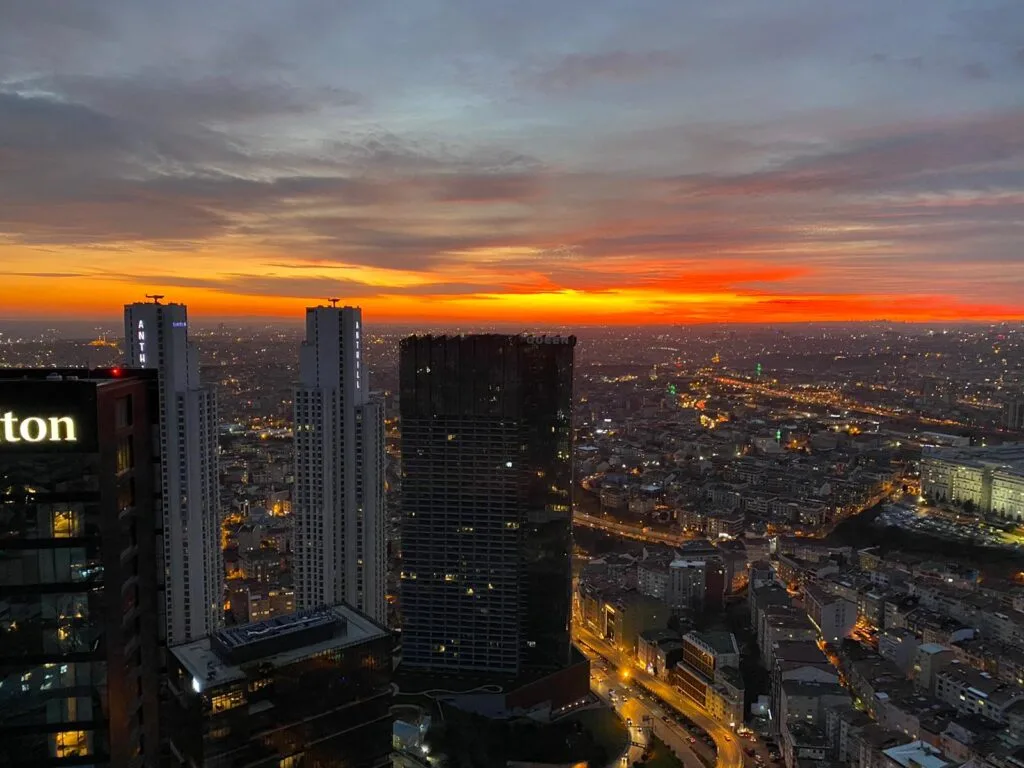
Resale apartment in the famous Bomonti Rotana complex
A skyscraper apartment and office residence in the heart of the city centre of Istanbul, in bohemian Bomonti.
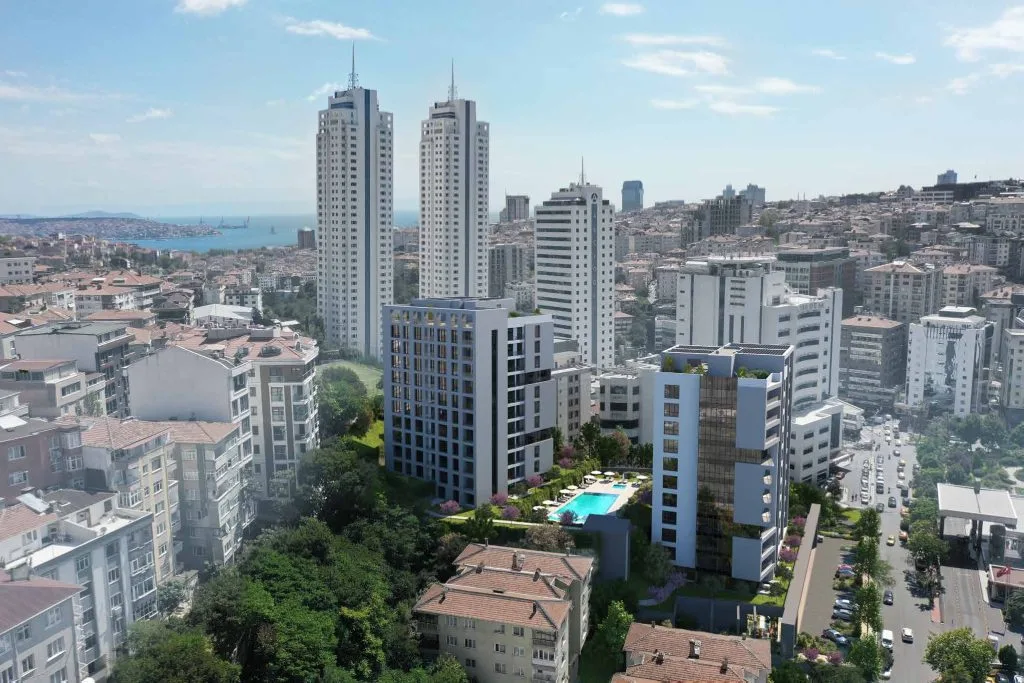
Premium residential apartments in Sisli
A superb apartment compound in the heart of the city of Istanbul in Besiktas, with private gardens, great…
Sisli’s last skyscraper residence with Bosphorus views
A skyscraper apartment and office residence in the heart of the city centre of Istanbul, in bohemian Bomonti.
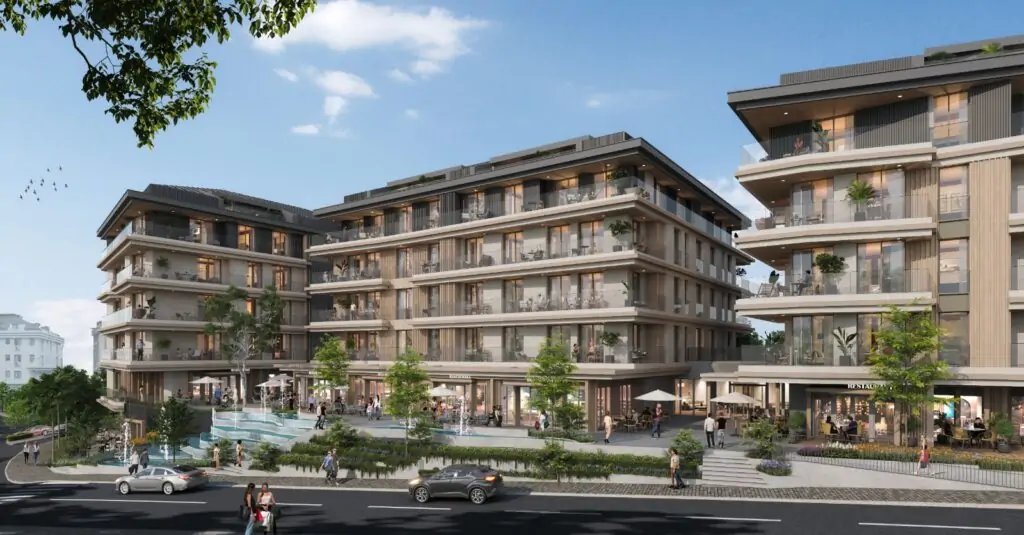
Boutique low-rise project in the heart of Şişli
Modern apartments in Sisli, Istanbul with luxury amenities, and excellent transport links.
Like what you see?
Affordable Istanbul Property Markets With Strong Yields
Esenyurt remains Istanbul’s most accessible entry point, with average prices of 26,081 ₺/m² and average property values around 2.9M ₺. It also offers the city’s strongest yield profile at 8.96%, with an 11-year amortisation period.
Küçükçekmece and Fatih both offer comparatively affordable entry prices, yields above 8% and short amortisation periods. Küçükçekmece benefits from Marmaray, metro connections and major renewal activity, while Fatih remains attractive due to its centrality and historic character.
Asian Side Momentum
Üsküdar prices rose 44.02% year on year to 83,893 ₺/m². The district combines historic Bosphorus neighbourhoods with modern connectivity through Marmaray and the M5 Metro.
Maltepe recorded one of the strongest annual gains at 48.16%, averaging 71,792 ₺/m². Schools, hospitals, coastal access, Marmaray and the M4 Metro continue to support residential demand.
Pendik and Ümraniye remain popular with mid-income families and investors seeking stronger yields, improving transport and more accessible prices compared with premium central districts.
Istanbul Property Price Trends and Affordability
The compressed market cycle since 2020 has pushed Istanbul property values beyond traditional affordability benchmarks. Central luxury homes now routinely exceed 20M ₺, while suburban and renewal-driven districts often remain in the 3–6M ₺ range.
This has created a dual market. Wealthy domestic and international buyers continue to concentrate in Beşiktaş, Kadıköy, Sarıyer and Beykoz for prestige and lifestyle, while end-users and yield-focused investors increasingly look toward peripheral and renewal-led districts.
Rental Market and Legal Disputes
Rental inflation remains one of the most destabilising forces in the Istanbul property market. Rents have risen dramatically in recent years, creating major tension between landlords and tenants.
The previous 25% cap on annual rent increases, introduced during a period of very high inflation, created a large gap between existing tenancy prices and current market rents. This has contributed to widespread landlord-tenant disputes and complicated rental income planning for property investors.
Foreign Sellers and Citizenship Investors
Citizenship-linked purchases made during 2021 and 2022 are now increasingly returning to the resale market as three-year holding periods expire. Many early international buyers have achieved strong capital gains, particularly where purchases were made before Istanbul’s sharp price acceleration.
Popular areas such as Beşiktaş, Şişli, Kağıthane and Küçükçekmece are seeing more listings from foreign sellers who retain Turkish citizenship as a long-term asset while realising gains from property appreciation.
Istanbul Property Market Outlook for 2026
The year ahead is likely to favour cash-rich buyers who can act during a high-rate environment. If interest rates ease in 2026, pent-up demand could return to the market and support further price growth.
Renewal-led districts such as Kağıthane, Küçükçekmece, Zeytinburnu and parts of Eyüpsultan are well positioned for investors prioritising shorter amortisation periods, stronger yields and infrastructure-led growth.
Conclusion
Istanbul’s property market remains highly polarised. Luxury districts are expensive and yields are thin, but mid-tier and renewal-led areas continue to offer stronger rental returns and more accessible entry prices.
For international buyers considering property for sale in Istanbul, opportunities remain real. The strongest prospects are likely to be found in districts with transport access, urban renewal, rental demand and long-term resale liquidity.
Market report disclaimer: This article reflects Istanbul property market data and district pricing metrics from August 2025 and was published in May 2026.