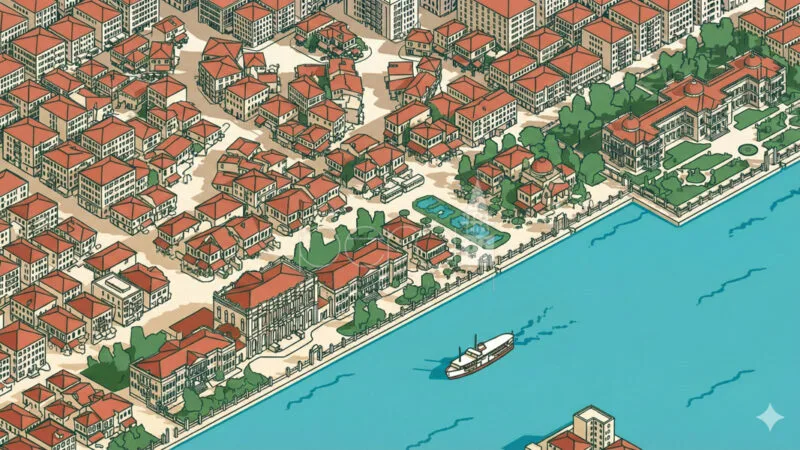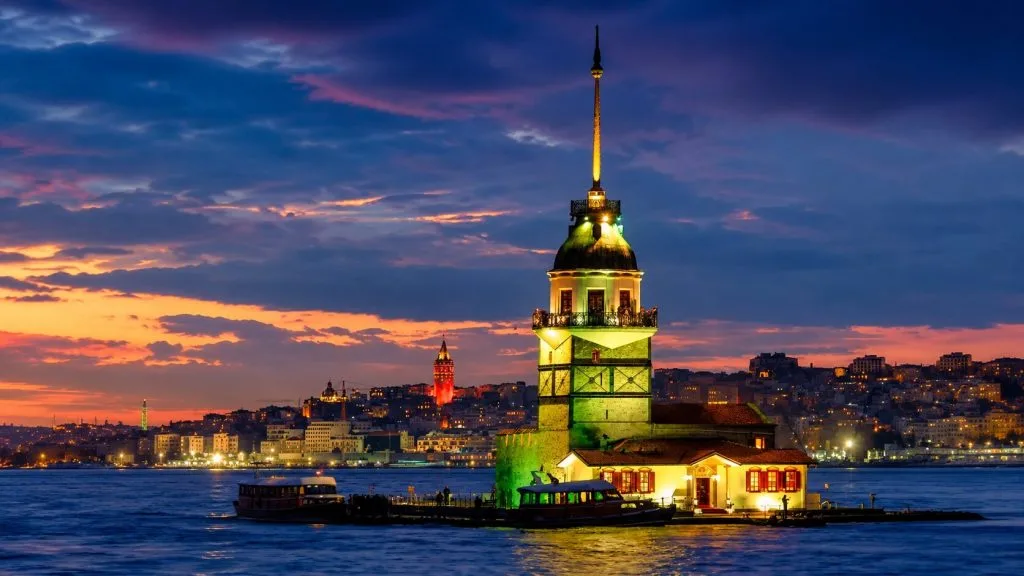
The Asian side of Istanbul, known locally as the Anatolian side, has evolved into one of the city’s most important residential and investment markets. Long favoured by Istanbul residents for its greener environment, lower-density planning, Bosphorus coastline, and family-oriented lifestyle, the region is now also attracting international property investors seeking long-term value, modern infrastructure, and high-quality living.
Unlike the more touristic and densely built European side, the Asian side offers a broader range of residential experiences — from waterfront mansions in Üsküdar and Beykoz to luxury apartment towers in Ataşehir, modern regeneration zones in Maltepe and Kartal, and forest villa communities in Çekmeköy.
In this guide
- Best districts on Istanbul’s Asian side
- Luxury Bosphorus neighbourhoods and villa zones
- The Istanbul Financial Center and Ataşehir
- Transport infrastructure driving price growth
- Urban regeneration and investment opportunities
- Bağdat Avenue and the Fenerbahçe peninsula
- Property investment trends for 2026
Why Buyers Are Choosing Istanbul’s Asian Side
The Asian side has increasingly become the preferred choice for families, professionals, and long-term residents seeking a more balanced lifestyle in Istanbul. Streets are generally wider, residential planning is less chaotic, and green space is significantly more abundant than many parts of the European side.
The region also benefits from newer infrastructure. Metro expansion, highway investment, Marmaray connectivity, and large-scale urban regeneration have transformed many districts into modern residential hubs while preserving large areas of low-density living.
In recent years, concerns surrounding earthquake resilience have also accelerated demand toward newer compounds and regenerated housing stock on the Asian side. Districts with organised planning and modern construction standards have seen particularly strong growth.
Asian Side vs European Side Istanbul
The European side remains Istanbul’s historic and commercial heart, home to districts such as Beşiktaş, Şişli, Beyoğlu, and the old city. However, it is also denser, more congested, and more tourism-driven.
The Asian side offers a different proposition. Residential districts tend to be calmer, greener, and more family-oriented. Parking is easier, compounds are larger, and modern infrastructure has improved connectivity substantially over the last decade.
For investors, the European side still dominates ultra-prime Bosphorus pricing and tourism demand, while the Asian side increasingly appeals to long-term residential buyers, finance professionals, and upper-middle-class Turkish families seeking quality of life.
The Rise of Istanbul’s New Asian-Side Business Corridors
One of the most important structural shifts in Istanbul has been the government-backed push toward decentralised business development. Historically, Istanbul’s commercial activity was heavily concentrated around Levent, Maslak, and Mecidiyeköy on the European side.
Over time, congestion and land shortages pushed policymakers toward developing secondary commercial hubs across the Asian side. This strategy focused heavily on metro-led development, mixed-use skyscraper zones, and transport infrastructure.
Latest Properties for Sale in Kadikoy
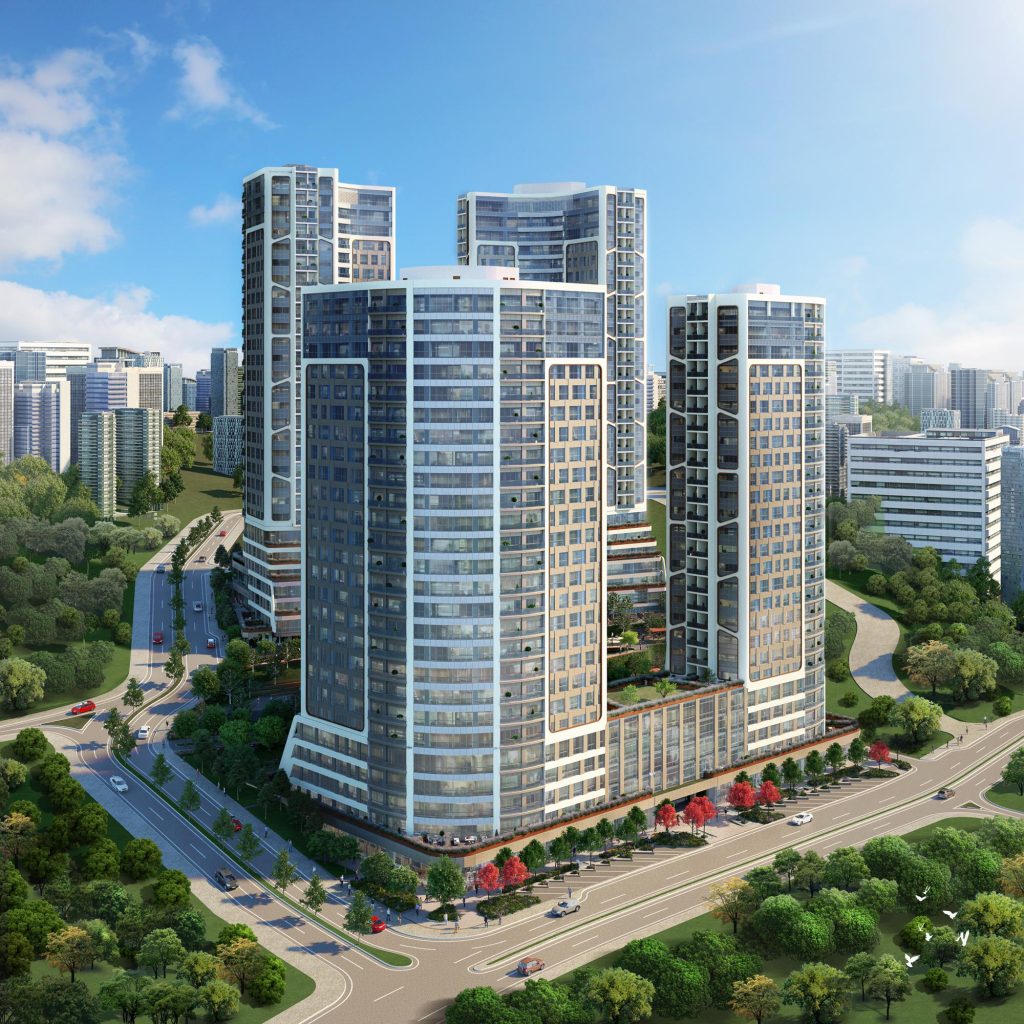
Family Apartments with Extensive Green Space in Kadıköy
Modern 1 to 4-bedroom apartments in Fikirtepe with generous landscaping and excellent transport connections.
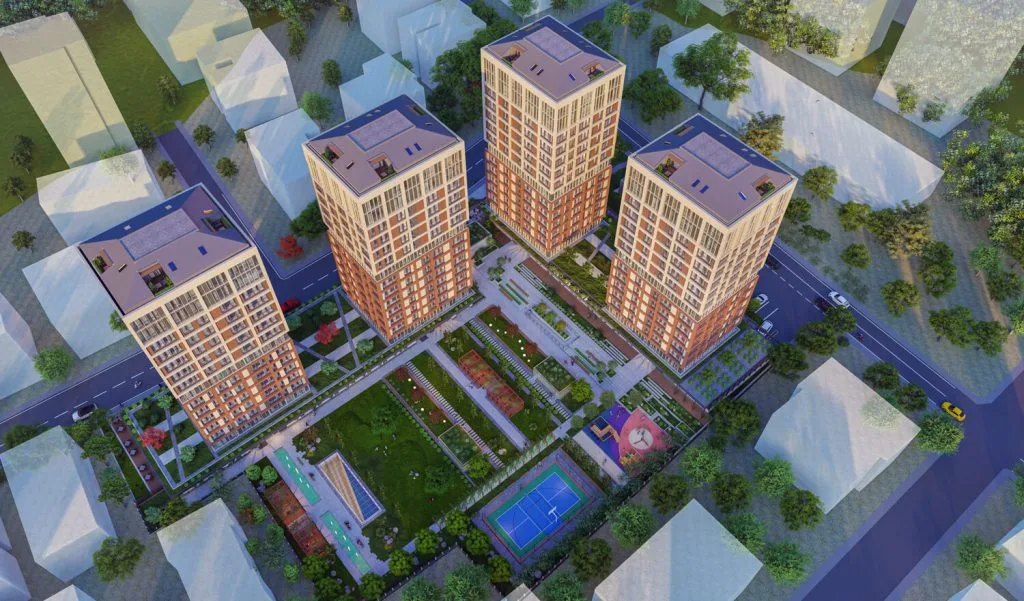
Apartments for Sale in Erenköy Near Bağdat Avenue
Modern apartments for sale in Erenköy, one of Istanbul's most desirable residential districts. Close to Bağdat Avenue, Marmaray…
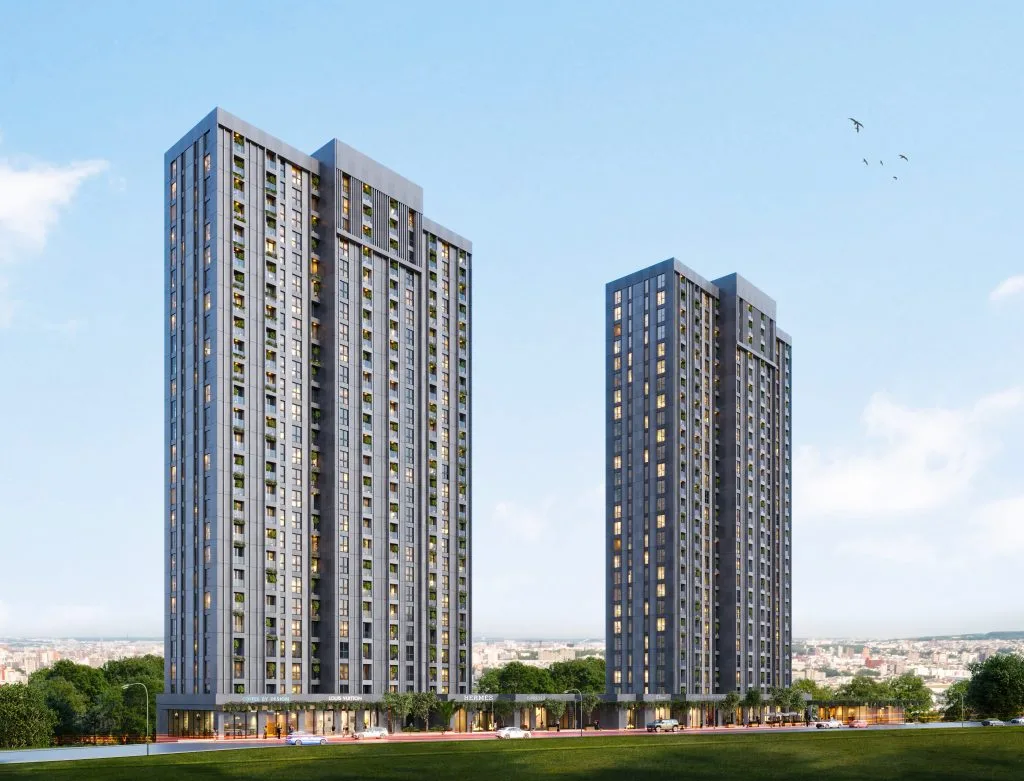
Modern Apartments for Sale in Fikirtepe Kadıköy
Modern Kadıköy apartments with pools, full social facilities, title deed ready units, and metro access in Fikirtepe.
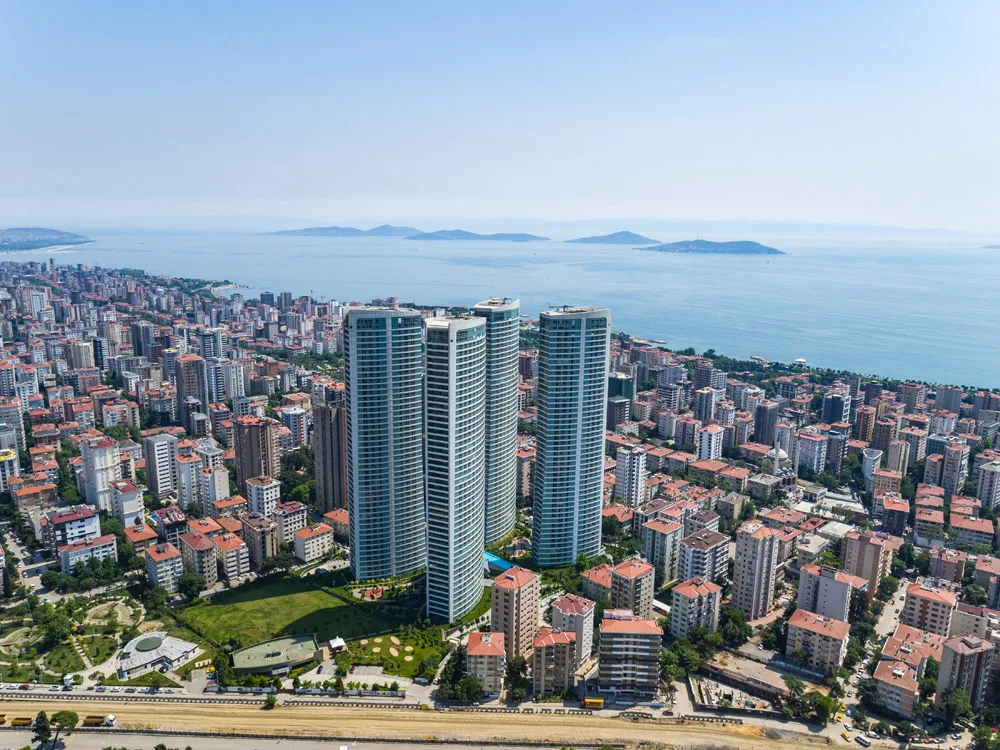
Prince’s island view luxury apartments in world famous Baghdad avenue
The residence offers comprehensive amenities in line with international luxury residential standards, prime location, sea views, high construction…
Like what you see?
As a result, several important business corridors have emerged:
- Ataşehir and Ümraniye around the Istanbul Financial Center
- Maltepe and Kartal along the E5 corridor
- Technology and office clusters in Ümraniye
- Metro-linked mixed-use development zones across Kadıköy and the M4 line
This transformation has significantly increased residential demand across the Asian side, particularly in districts with strong transport connectivity.
Söğütlüçeşme and Istanbul’s Expanding Transport Infrastructure
Transport infrastructure is one of the biggest drivers behind the Asian side’s long-term growth story.
Söğütlüçeşme, located in Kadıköy, is rapidly evolving into one of Istanbul’s most important intermodal transport hubs. The station already connects Marmaray, Metrobus, and regional rail systems, while future investment plans aim to transform it into a major high-speed rail gateway.
The future super high-speed Istanbul–Ankara rail line aims to reduce travel times to approximately 90 minutes, further increasing the strategic importance of the Asian side.
At the same time, metro investment continues aggressively:
- M4 Metro: Kadıköy to Sabiha Gökçen Airport
- M5 Metro: Üsküdar to Çekmeköy
- M12 Metro: connecting Bağdat Avenue, Ataşehir, and Ümraniye
- Marmaray: cross-city Bosphorus rail connection
The M12 line is particularly important because it will integrate the Marmaray, M4, and M5 systems while improving access to the Istanbul Financial Center and surrounding residential districts.
Üsküdar: Historic Prestige on the Bosphorus
Üsküdar is one of Istanbul’s oldest and most prestigious Bosphorus districts. Facing the historic peninsula across the water, it combines Ottoman heritage, waterfront living, and strong transport infrastructure.
The district includes highly desirable neighbourhoods such as Kuzguncuk, Beylerbeyi, Kandilli, Altunizade, and Çengelköy. These areas are characterised by Bosphorus mansions, low-rise housing, mature trees, historic mosques, and waterfront cafés.
Üsküdar also functions as a major transport hub thanks to Marmaray, ferry lines, and the M5 metro. Access to both the European and Asian business districts is exceptionally efficient.
Beykoz: Istanbul’s Green Luxury Market
Beykoz is one of Istanbul’s wealthiest and lowest-density districts, stretching from the Bosphorus coastline into deep forestland in the north.
Strict Bosphorus zoning rules have heavily restricted construction throughout the district, preserving large green areas and limiting high-rise development. This has created one of Istanbul’s strongest long-term supply constraints.
Areas such as Acarkent have become synonymous with luxury villa living, attracting wealthy Turkish families seeking privacy, security, and proximity to nature while remaining close to the city’s business districts.
The Fatih Sultan Mehmet Bridge, North Marmara Highway, and future metro expansion continue strengthening Beykoz’s long-term residential appeal.
Kadıköy: The Cultural and Lifestyle Capital of the Asian Side
Kadıköy is the Asian side’s cultural and commercial heart. The district combines historic neighbourhoods, café culture, nightlife, strong transport links, and some of Istanbul’s highest residential demand.
Moda, Bahariye, Fenerbahçe, Caddebostan, and Suadiye have become some of the city’s most sought-after residential zones, particularly among professionals, creatives, and upper-middle-class families.
Kadıköy also benefits from some of Istanbul’s strongest transport infrastructure, including Marmaray, the M4 metro, ferry connections, and the growing Söğütlüçeşme transport hub.
Bağdat Avenue: Istanbul’s Premier Luxury Residential Corridor
Bağdat Avenue remains one of Turkey’s most prestigious residential and retail corridors. Stretching along the Marmara coastline, the avenue and surrounding neighbourhoods form one of Istanbul’s most established luxury housing markets.
The most prestigious stretch typically includes:
- Bostancı
- Suadiye
- Caddebostan
- Feneryolu
- Erenköy
- Göztepe
These neighbourhoods combine coastal living, high-end retail, parks, cafés, marinas, and modern luxury apartments. Urban regeneration has accelerated significantly across the corridor, with older low-rise buildings being replaced by modern boutique residences built to newer earthquake standards.
The Fenerbahçe Peninsula
The Fenerbahçe peninsula represents one of the most exclusive residential micro-markets in Istanbul. Known for its marina, parks, sea views, and low-density character, the area attracts wealthy domestic buyers seeking lifestyle-driven residential property.
Property values here rank among the highest on the Asian side, supported by limited supply and exceptional waterfront positioning.
Ataşehir and the Istanbul Financial Center
The opening of the Istanbul Financial Center has transformed Ataşehir and neighbouring Ümraniye into one of Istanbul’s most important commercial hubs.
The project was designed to establish a new finance-focused urban core on the Asian side, bringing together banks, financial institutions, office towers, and supporting residential infrastructure.
This has triggered major residential demand from professionals working in finance, technology, and corporate sectors. Luxury compounds, high-rise towers, and mixed-use developments have rapidly expanded throughout the district.
Transport connectivity continues improving through the M5 metro and the future M12 line, which will connect the area directly to Bağdat Avenue and southern coastal districts.
Ümraniye: Istanbul’s Emerging Technology and Office Hub
Ümraniye has evolved from a peripheral residential district into one of Istanbul’s fastest-growing office and technology corridors.
Large mixed-use developments, office towers, and commercial campuses now dominate parts of the district, particularly around the TEM highway and finance zone connections.
The district continues benefiting from strong metro investment, improving accessibility and driving demand for both residential and commercial real estate.
Maltepe and Kartal: Metro-Led Coastal Regeneration
Maltepe and Kartal represent one of Istanbul’s clearest examples of transport-led urban transformation.
Located along the E5 corridor and heavily supported by the M4 metro line connecting Kadıköy to Sabiha Gökçen Airport, these districts have experienced substantial redevelopment over the last decade.
Former industrial zones and ageing residential stock have increasingly been replaced by modern apartment compounds, office towers, and mixed-use developments.
Compared to Bağdat Avenue and Kadıköy’s prime coastal districts, Maltepe and Kartal still offer relatively more accessible entry pricing while benefiting from strong infrastructure and growing residential demand.
Çekmeköy: Forest Living and Family Compounds
Çekmeköy has emerged as one of Istanbul’s leading low-density residential districts, particularly among families seeking larger homes, greenery, and modern compounds.
Located along the northern edge of the Asian side, the district benefits from proximity to forests, lower traffic density, and newer construction stock.
The extension of the M5 metro line has significantly improved accessibility, connecting Çekmeköy directly to Üsküdar and central transport hubs.
Villa compounds, private schools, and gated family communities dominate much of the district’s residential market.
Urban Regeneration on the Asian Side
Urban regeneration has become one of the defining themes of the Asian side property market.
Large areas of ageing housing stock built before modern earthquake regulations are now being replaced by contemporary low-rise and mid-rise developments. This process is especially visible across Kadıköy, Bağdat Avenue, Maltepe, Ataşehir, and parts of Üsküdar.
In many areas, older apartments with large floor plans are being consolidated into boutique developments with smaller but higher-quality units. Builders frequently increase apartment counts per floor while remaining within strict zoning limits.
This has allowed developers to modernise housing stock without dramatically increasing building height, particularly in districts where Bosphorus or planning restrictions limit vertical expansion.
Investment Outlook for 2026
The Asian side is no longer an overlooked alternative to the European side. It has become one of Istanbul’s primary residential growth markets.
Several structural trends continue supporting long-term value growth:
- Large-scale transport infrastructure investment
- Expansion of the Istanbul Financial Center
- Metro-led decentralisation
- Urban regeneration and earthquake renewal
- Strong demand for lower-density living
- Limited Bosphorus supply in districts such as Beykoz and Üsküdar
For investors, the strongest opportunities increasingly exist in districts combining modern infrastructure, controlled supply, and improving residential quality.
Looking for property on Istanbul’s Asian side?
We offer apartments, villas, Bosphorus homes, and investment property across Kadıköy, Üsküdar, Beykoz, Ataşehir, Çekmeköy, and other leading Asian-side districts.