
Buying Property in Turkey: A Complete Guide for Foreign Investors
Buying property in Turkey can seem like a complex bureaucratic process, but with the right guidance it can be smooth and manageable. Pera Property supports foreign buyers throughout the purchase process, including property checks, legal coordination, title deed transfer and post-sale administration.
Even when working with an experienced consultant or lawyer, it is important for international buyers to understand the main steps involved. A clear process helps reduce risk, avoid delays and ensure a more informed property purchase in Turkey.
Key steps when buying property in Turkey
- Carry out title deed and ownership checks.
- Review building permits, zoning and technical documents.
- Sign a clear bilingual purchase contract.
- Obtain the required valuation report and buyer documents.
- Complete the currency exchange certificate process.
- Transfer the title deed at the Land Registry Office.
Step 1: Property Checks and Due Diligence
Before proceeding with a purchase, foreign buyers should carry out proper due diligence. These checks help identify potential legal, financial or technical issues before money is committed.
- Confirm that the seller is the legal owner by checking the title deed, known as the Tapu.
- Check whether the property has a valid building permit and complies with zoning regulations.
- Confirm that there are no debts, mortgages, liens or legal encumbrances registered against the property.
- For off-plan or under-construction property, request planning permission, technical specifications and delivery terms.
- Review the developer’s track record, delivery history, build quality and promised facilities.
Advertised facilities such as swimming pools, gyms or landscaped social areas should be checked carefully, especially in new-build projects. In some developments, final site facilities may depend on the approved management plan or completion-stage decisions.
Step 2: Signing the Purchase Contract
Once legal checks are complete and a price is agreed, the purchase contract is prepared. For new-build property, developers usually provide a standard contract setting out payment terms, specifications, floor plans and delivery obligations.
For resale property, a lawyer should prepare or review a bilingual contract and carry out additional title deed checks before completion.
Foreign buyers who cannot remain in Turkey during the process may grant Power of Attorney to a lawyer or trusted representative. This allows the purchase, document signing and title deed transfer to be handled without the buyer being physically present for every stage.
Step 3: Valuation Report and Military Clearance
Foreign buyers are required to obtain an official real estate valuation report before title deed transfer. This report confirms the market value of the property and is submitted as part of the purchase documentation.
For some resale properties, military clearance or restricted-zone checks may also be required to confirm that the property is not located in an area where foreign ownership is restricted.
Step 4: Currency Exchange Certificate
Since 2022, foreign buyers purchasing property in Turkey must exchange the declared purchase amount into Turkish lira through an approved Turkish bank. The bank then issues a currency exchange certificate, which is required for the title deed transfer.
Latest Properties for Sale in Istanbul

Low-Density Forest Apartments Near the Metro in Göktürk
Completed low-density apartments in Göktürk with extensive green areas, family facilities and convenient M11 metro access.
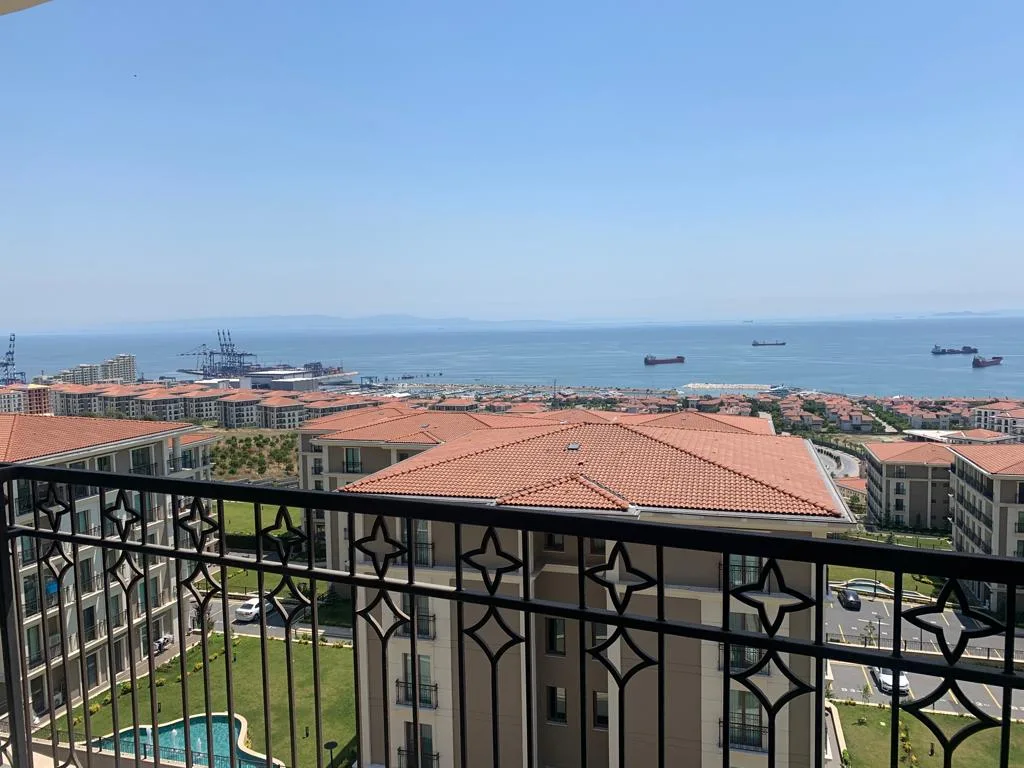
Top-Floor 3-Bedroom Sea View Apartment at Deniz Istanbul
A vacant top-floor 3-bedroom resale apartment with full panoramic sea views in Deniz Istanbul’s Mercan Konakları phase.

3 bed apartment in the famous TEMA Bahce project in Atakent
This award-winning mixed-use project in Atakent, has brought a “new culture of lifestyle” to Istanbul with its nature…

Boutique Apartments with Rooftop Living near Maslak
One and two-bedroom apartments in Ayazaga, near Maslak, with rooftop amenities and a planned June 2027 delivery.
Like what you see?
This process is part of the official purchase procedure for foreign buyers and must be completed correctly before the Land Registry Office can finalise the transaction. You can read more in our guide to new payment rules for foreign property buyers in Turkey.
Step 5: Title Deed Transfer
The final title deed transfer takes place at the Land Registry Office. The buyer, or their authorised representative, submits the required documents, completes the purchase payment and pays the title deed transfer tax.
Once the transaction is approved, the Tapu is issued in the buyer’s name. This confirms legal ownership of the property.
Step 6: Key Collection and Utility Set-Up
After completion, the buyer can collect the keys and begin setting up utilities such as electricity, water, gas and internet. If the buyer is outside Turkey, Pera Property can assist with key collection, utility activation and handover coordination.
Need help buying property in Turkey?
Pera Property helps international buyers purchase property in Istanbul with clear guidance, legal coordination and practical post-sale support.